Field Guide
Plants of the Sonoran Desert

Discover the remarkable flora of one of North America's most diverse desert ecosystems. Explore cacti, shrubs, trees, and wildflowers that have adapted to thrive in this arid landscape.
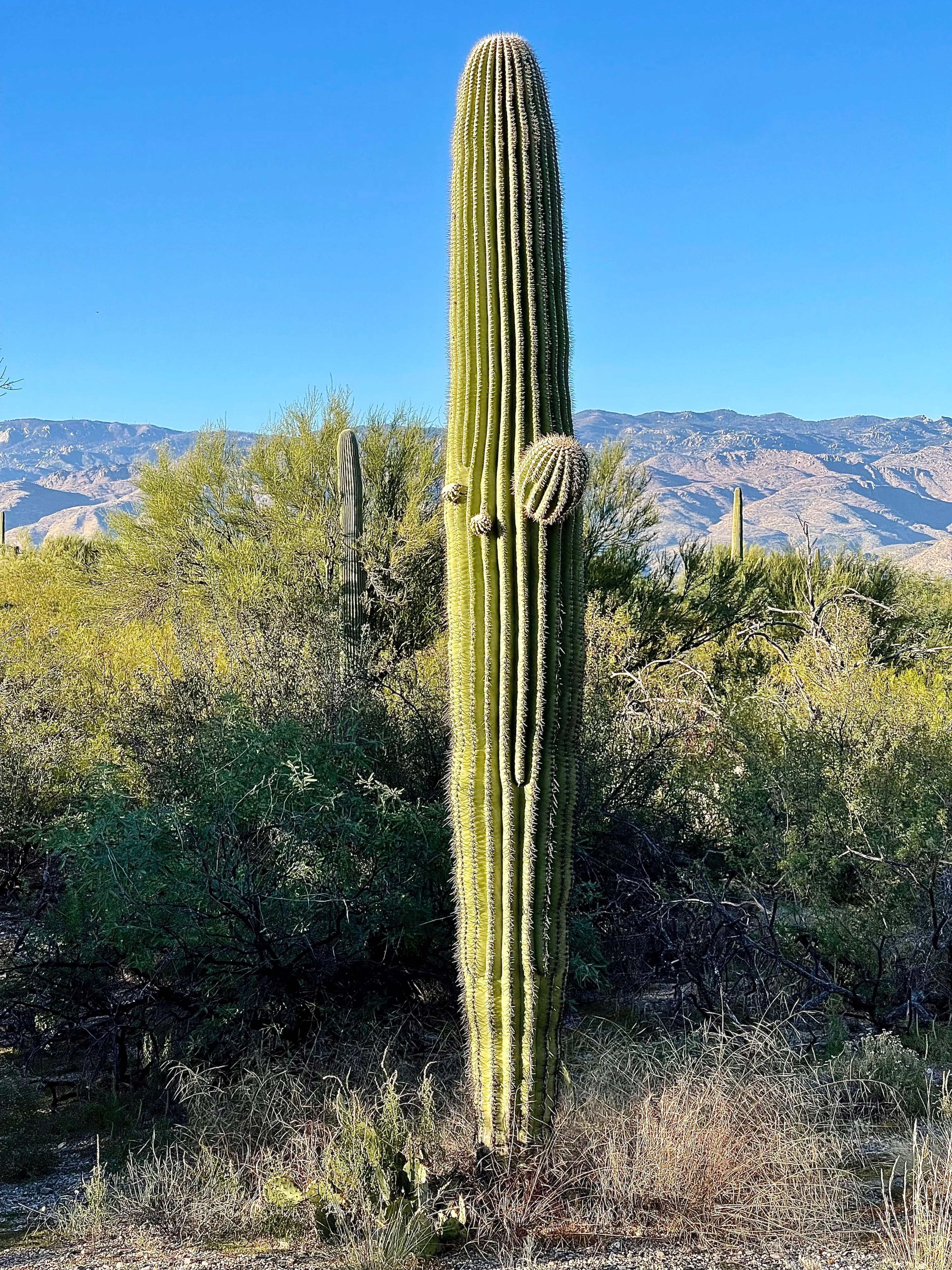
Saguaro
CactiCarnegiea gigantea
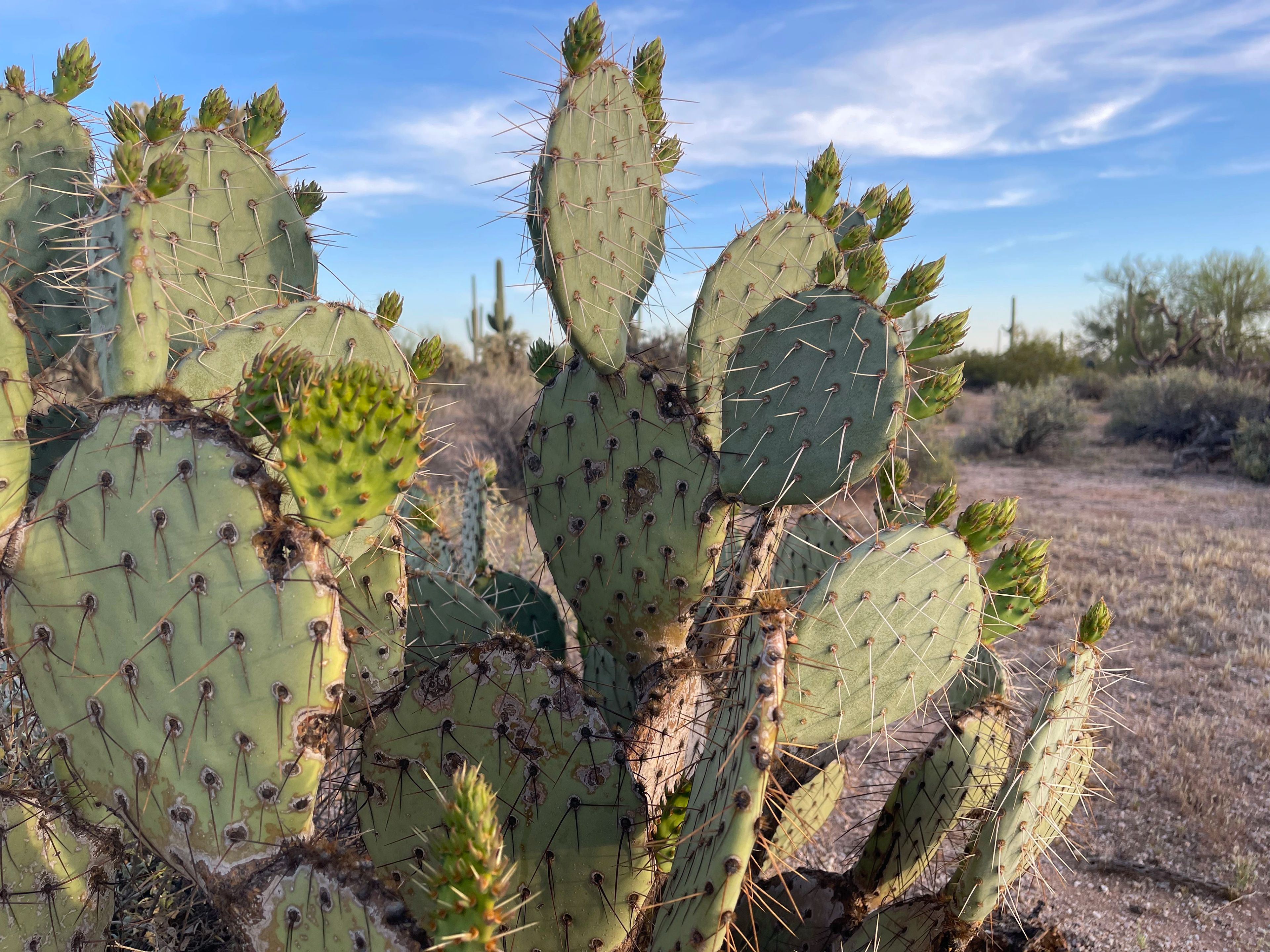
Prickly Pear
CactiOpuntia spp.
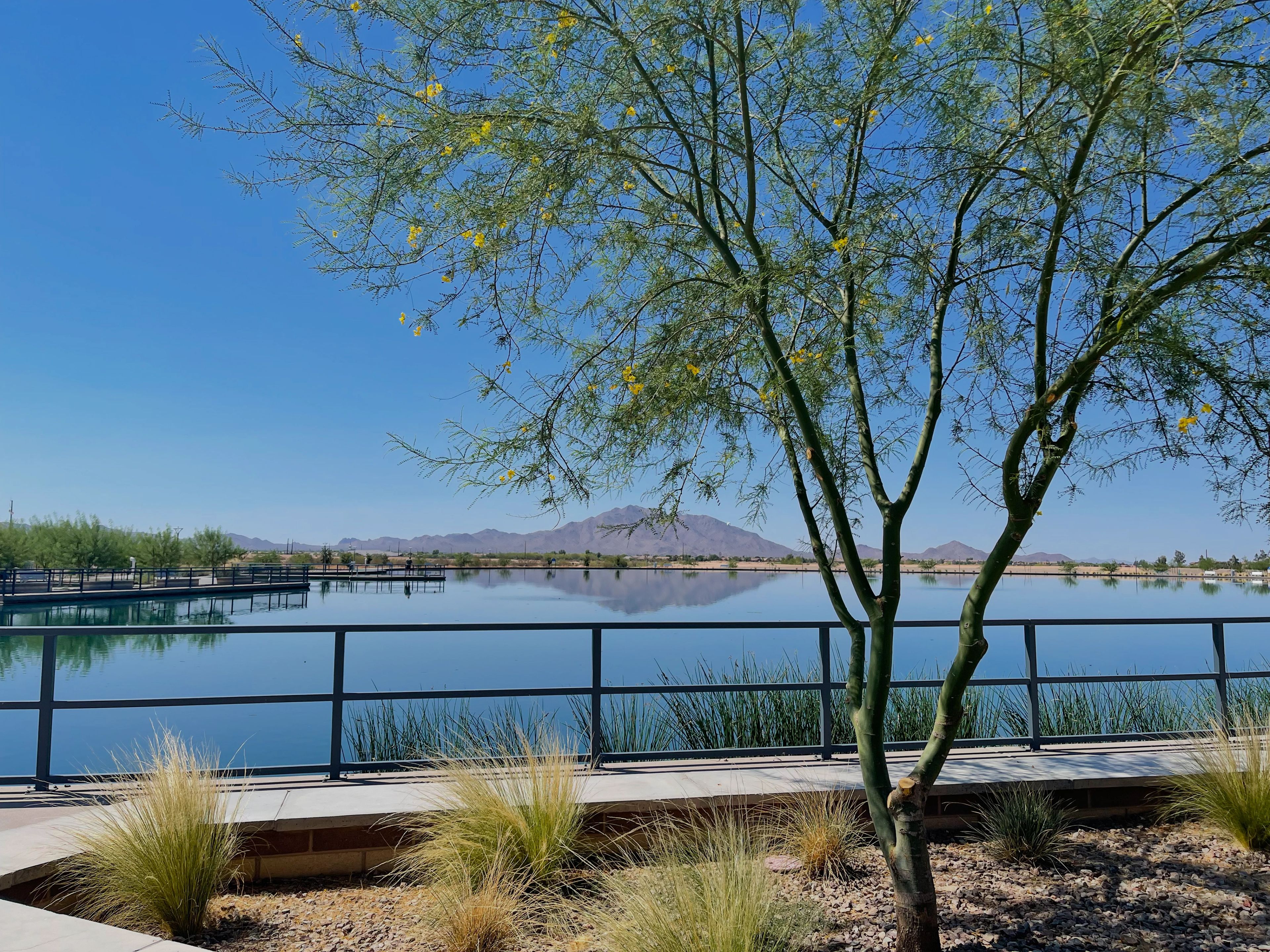
Palo Verde
TreesParkinsonia spp.
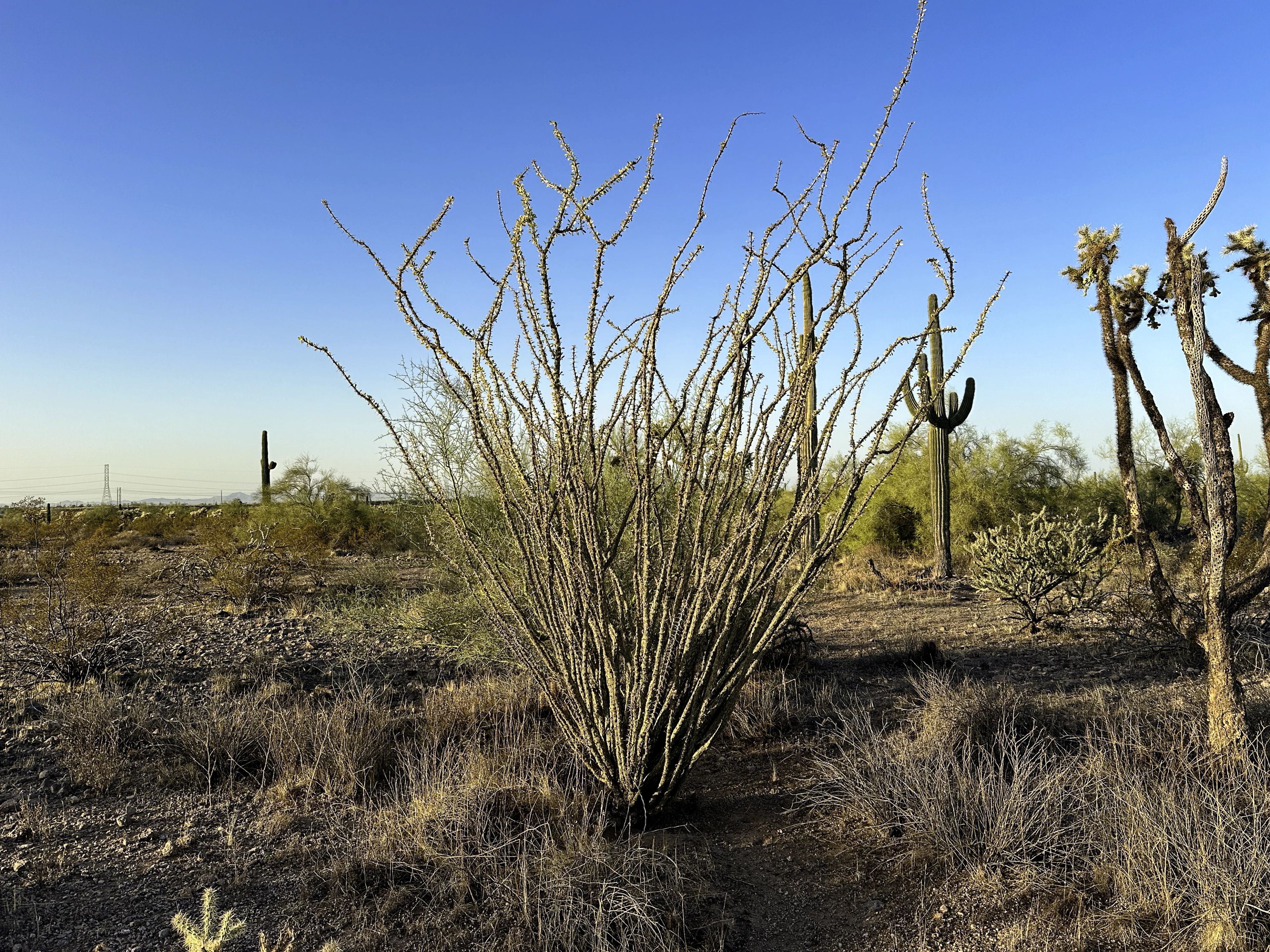
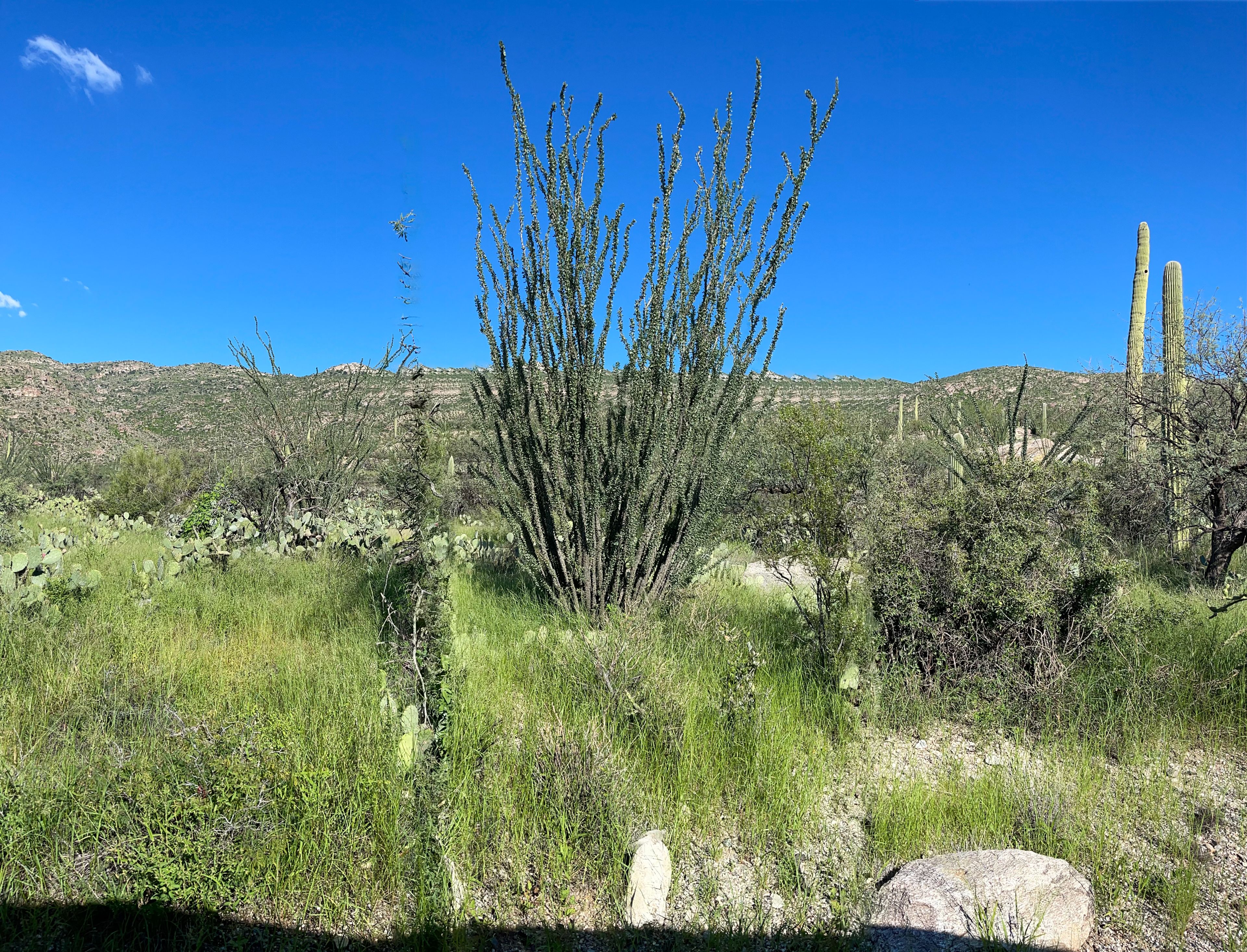
Ocotillo
ShrubsFouquieria splendens
Barrel Cactus
CactiCommonly refers to several species in the genus Ferocactus (and related barrel-form cacti).
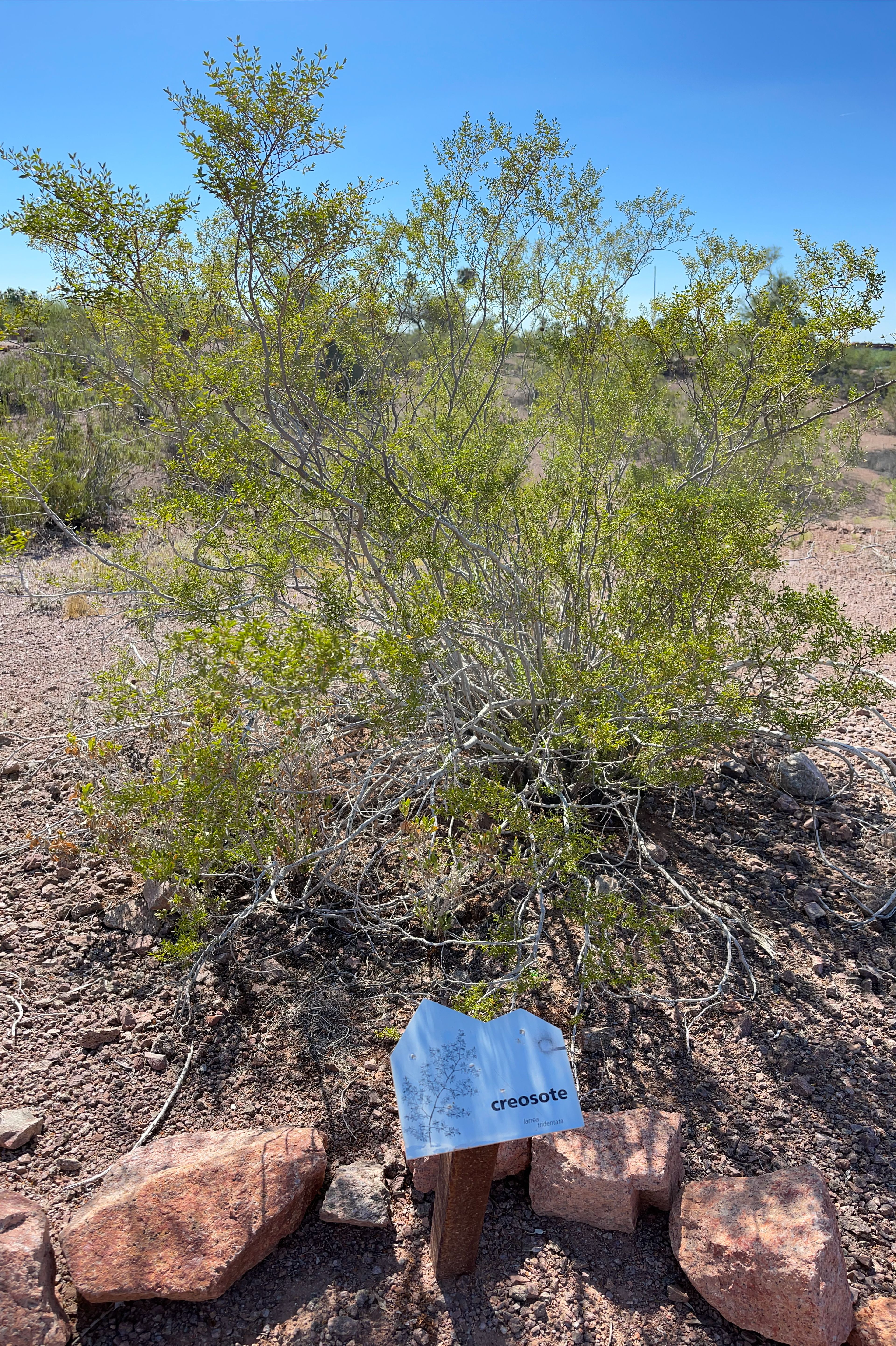
Creosote Bush
ShrubsLarrea tridentata
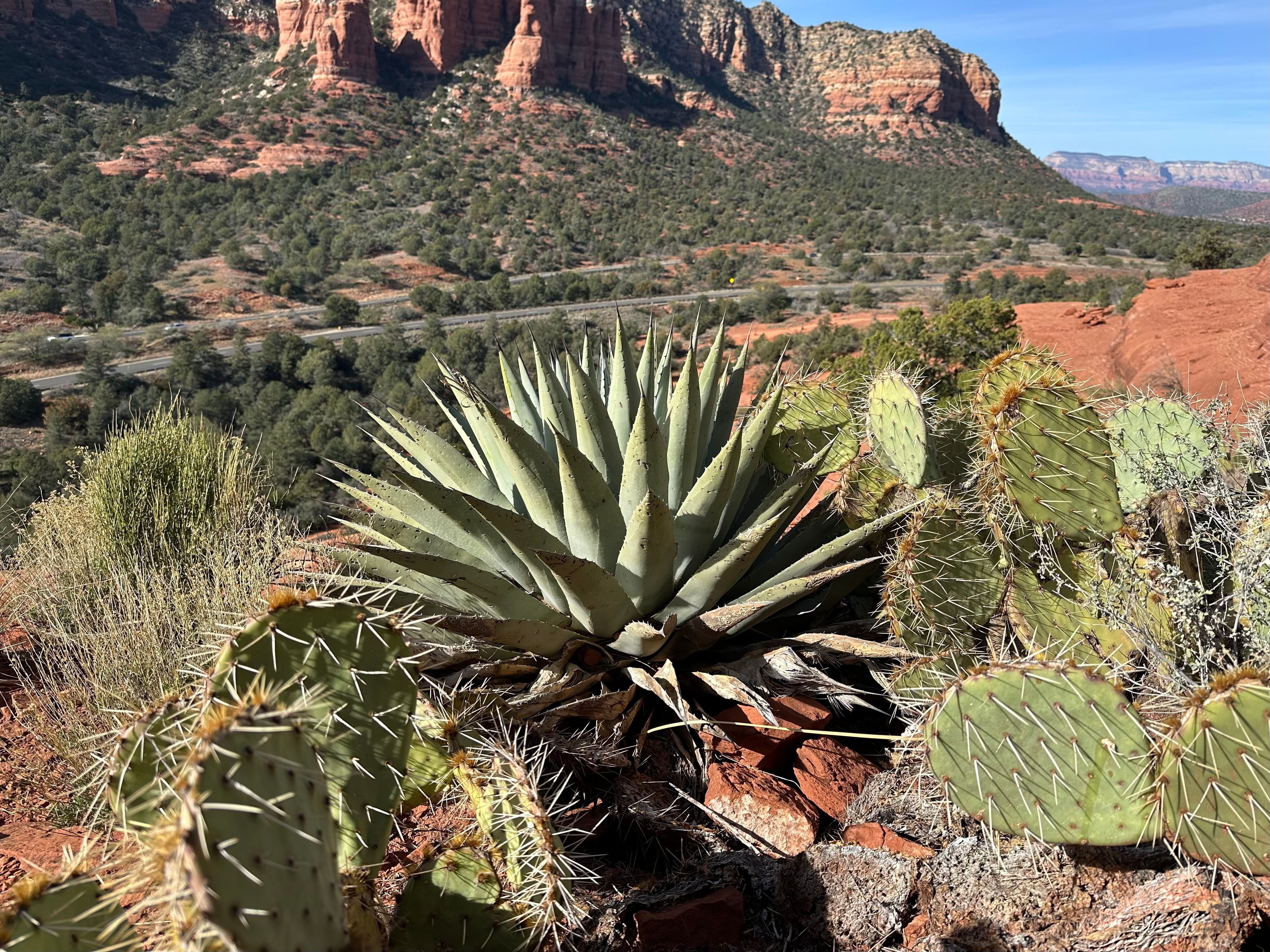
Agave
OtherAgave spp.
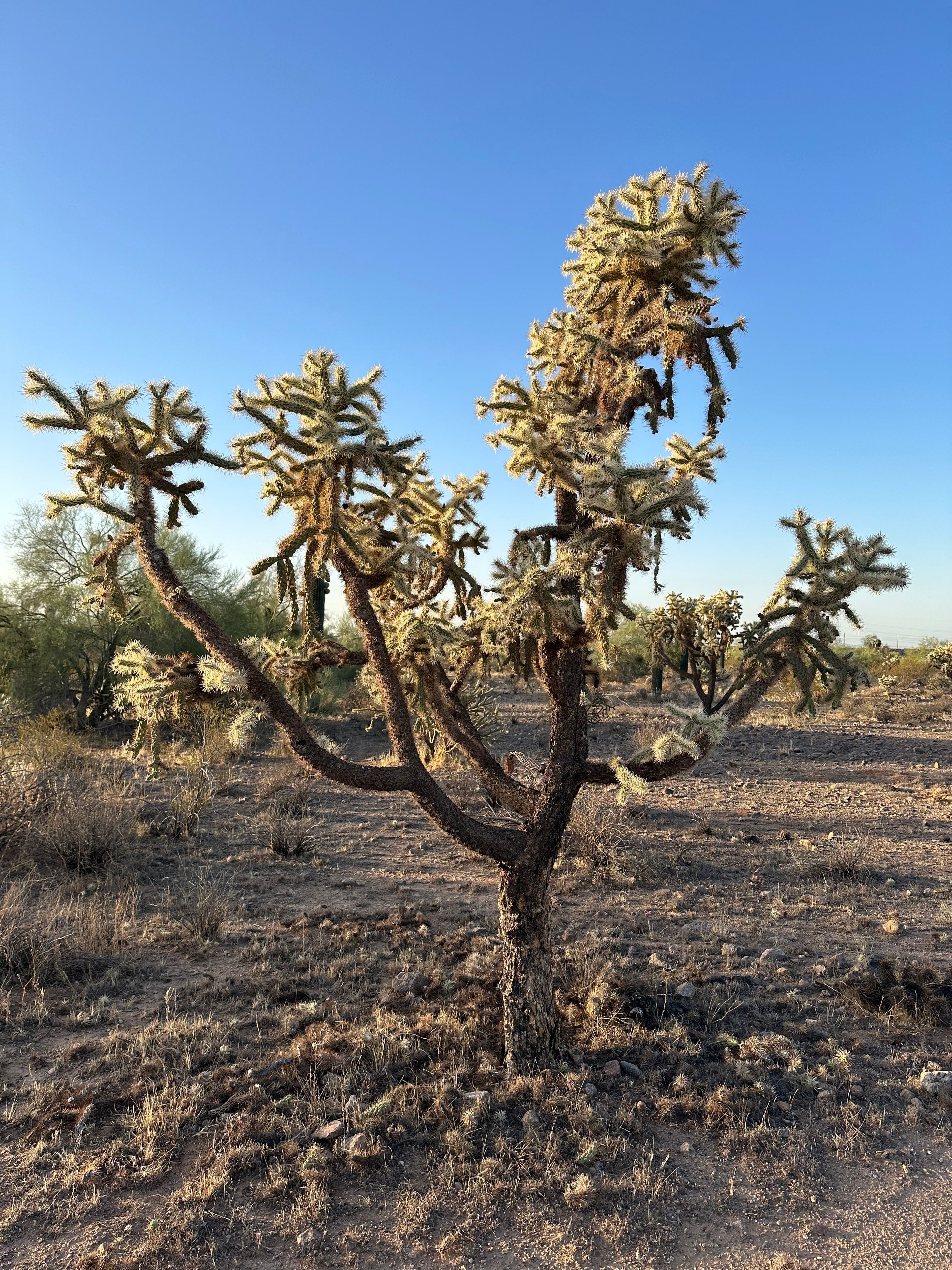
Cholla
CactiCylindropuntia (genus)
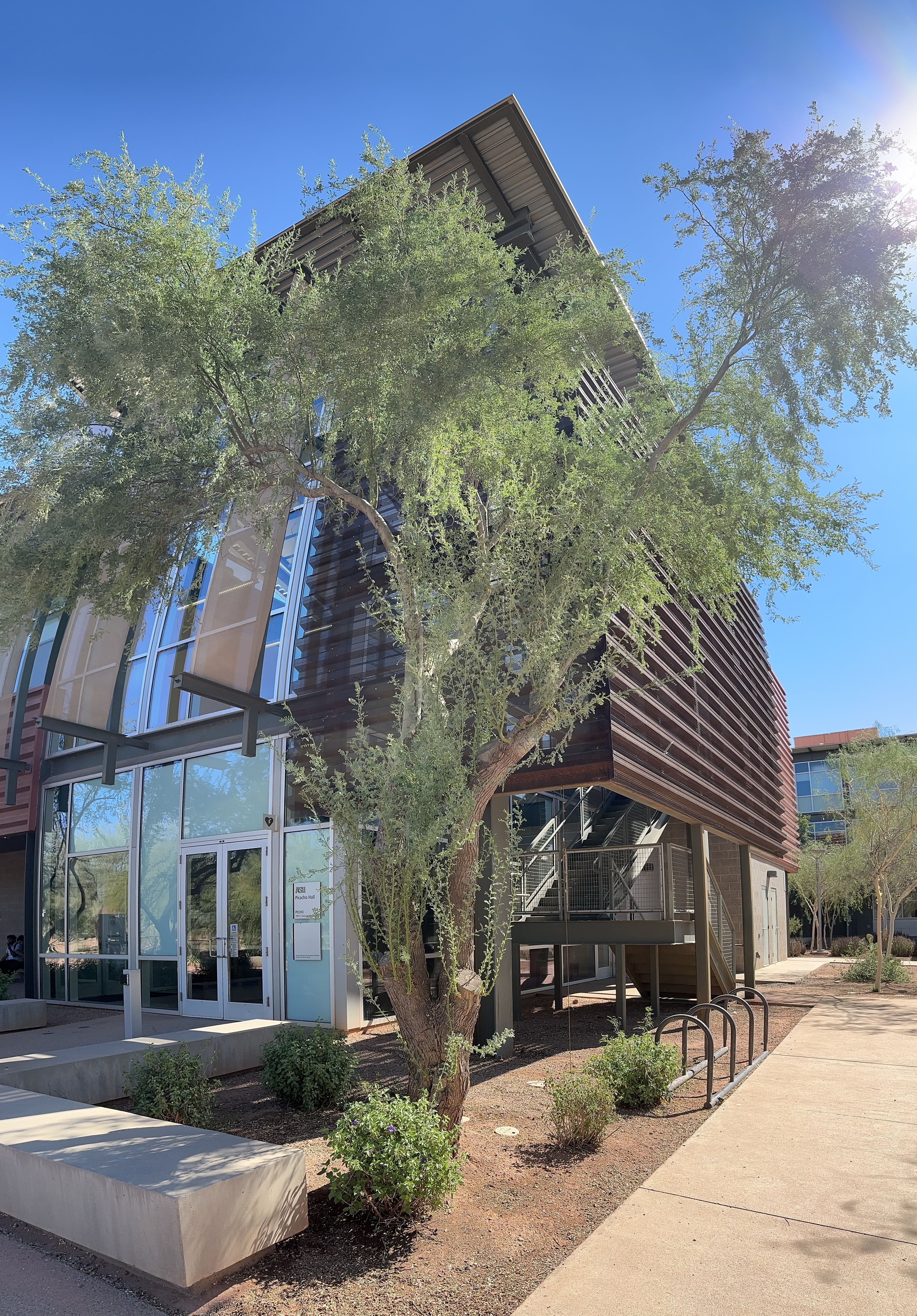
Desert Ironwood
OtherOlneya tesota
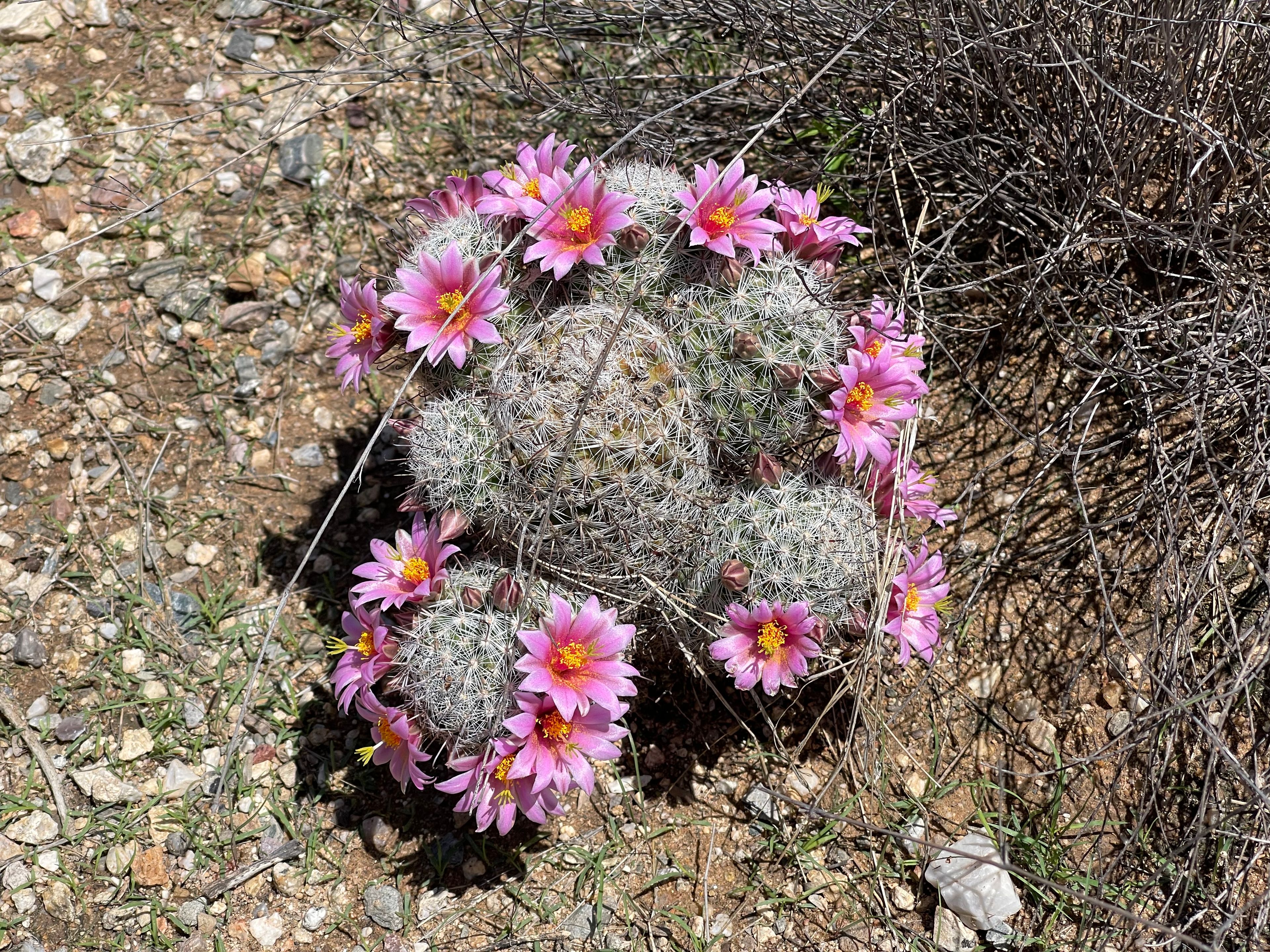
Hedgehog Cactus
CactiEchinocereus (genus)
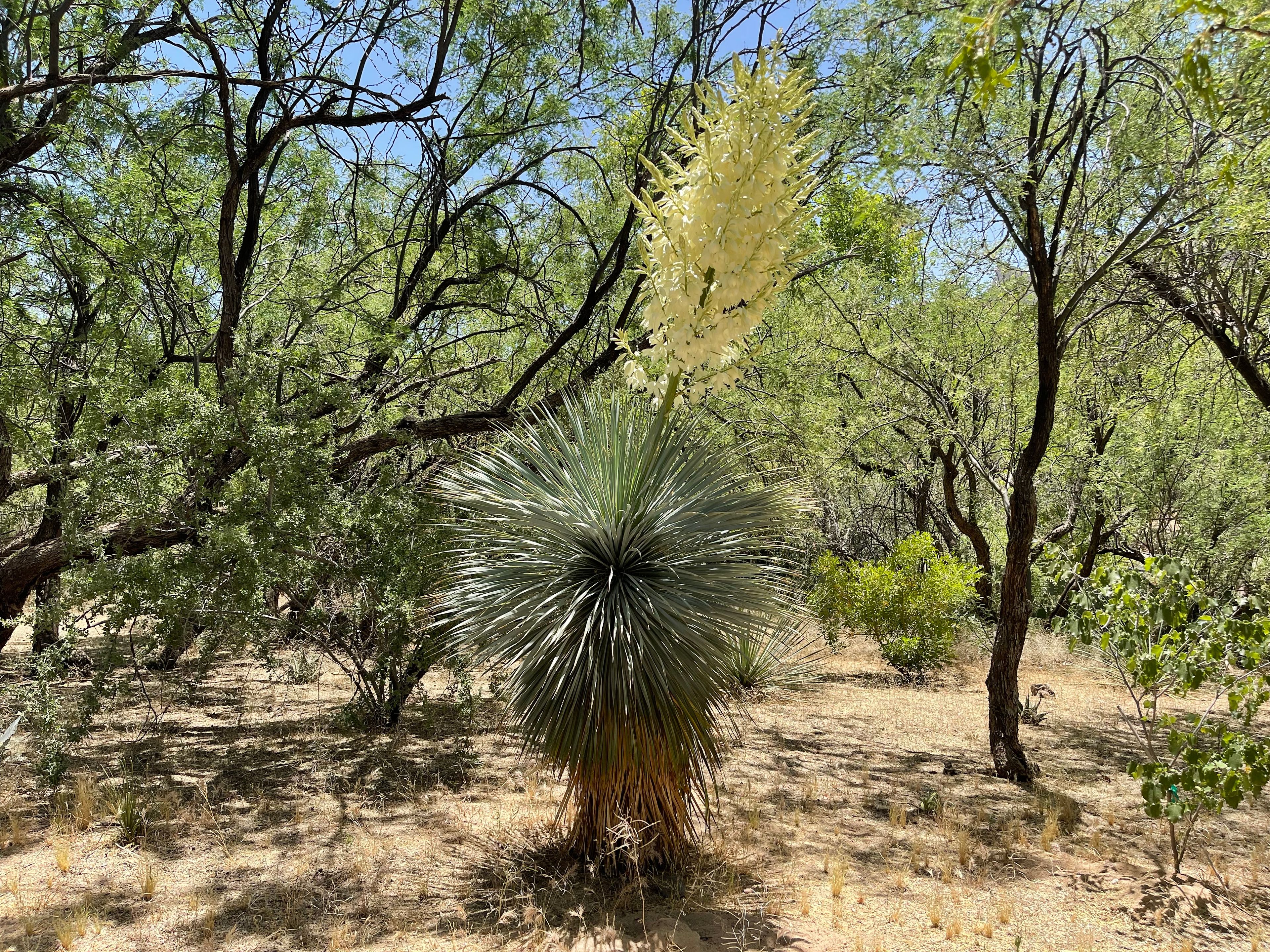
Yucca
OtherYucca spp.
FIELD NOTES
How the Sonoran Desert Shaped Its Plants
Extreme heat, scarce water, and seasonal swings pushed desert plants toward survival-first designs you can see up close.
Built for intense light
Summer sun is relentless and surfaces can overheat fast. Many plants evolved to manage temperature and protect tissues without wasting water.
Adaptations you'll notice:
- •Waxy or reflective skins that reduce heat load
- •Ribs, spines, or hairs that create shade and airflow
- •Growth forms that minimize midday exposure
FIELD NOTES
One of the Most Biodiverse Deserts on Earth
The Sonoran Desert is not a single uniform landscape. Its diversity comes from dramatic elevation changes, seasonal rainfall patterns, and a mosaic of habitats that support a wide range of plant life across Arizona and beyond.
Lower Sonoran (Low Desert)
Elevation: ~0–2,000 ft
Hotter, drier lowlands where classic Sonoran landscapes dominate. This zone rewards water storage, heat management, and efficient survival strategies.
Commonly seen:
Saguaro, Palo Verde, Creosote Bush, Prickly Pear, Brittlebush
Arizona Upland Sonoran
Elevation: ~2,000–4,000 ft
Slightly cooler nights and more varied terrain create a richer mix of shrubs, cacti, and small trees. Many plants here respond quickly to seasonal rainfall pulses.
Commonly seen:
Ocotillo, Cholla, Mesquite, Barrel Cactus, Agave
Desert Grassland Transition
Elevation: ~3,500–5,000 ft (edge zones)
At higher elevations near the Sonoran boundary, grasses begin to mix with desert shrubs. Seasonal swings are stronger here, and blooms can change dramatically after rain.
Commonly seen:
Agave, Yucca, Cholla, Wildflowers, Grasses
Rocky Slopes & Volcanic Hills
Elevation: Varies (often 1,500–4,500 ft)
Thin soils, exposed rock, and fast drainage create harsh growing conditions. Plants here tend to be tough, slow-growing, and highly specialized.
Commonly seen:
Barrel Cactus, Hedgehog Cactus, Agave, Ocotillo, Cholla
Field Note: All photographs on this site were taken by the author across Arizona within the Sonoran Desert region, spanning multiple elevations and landscapes. Each image reflects plants growing in natural habitat rather than cultivated settings.
FIELD NOTES
A Living Field Guide
This site is photo-first and observational. Entries will expand over time as more seasons, habitats, and species variations are documented and cross-referenced.
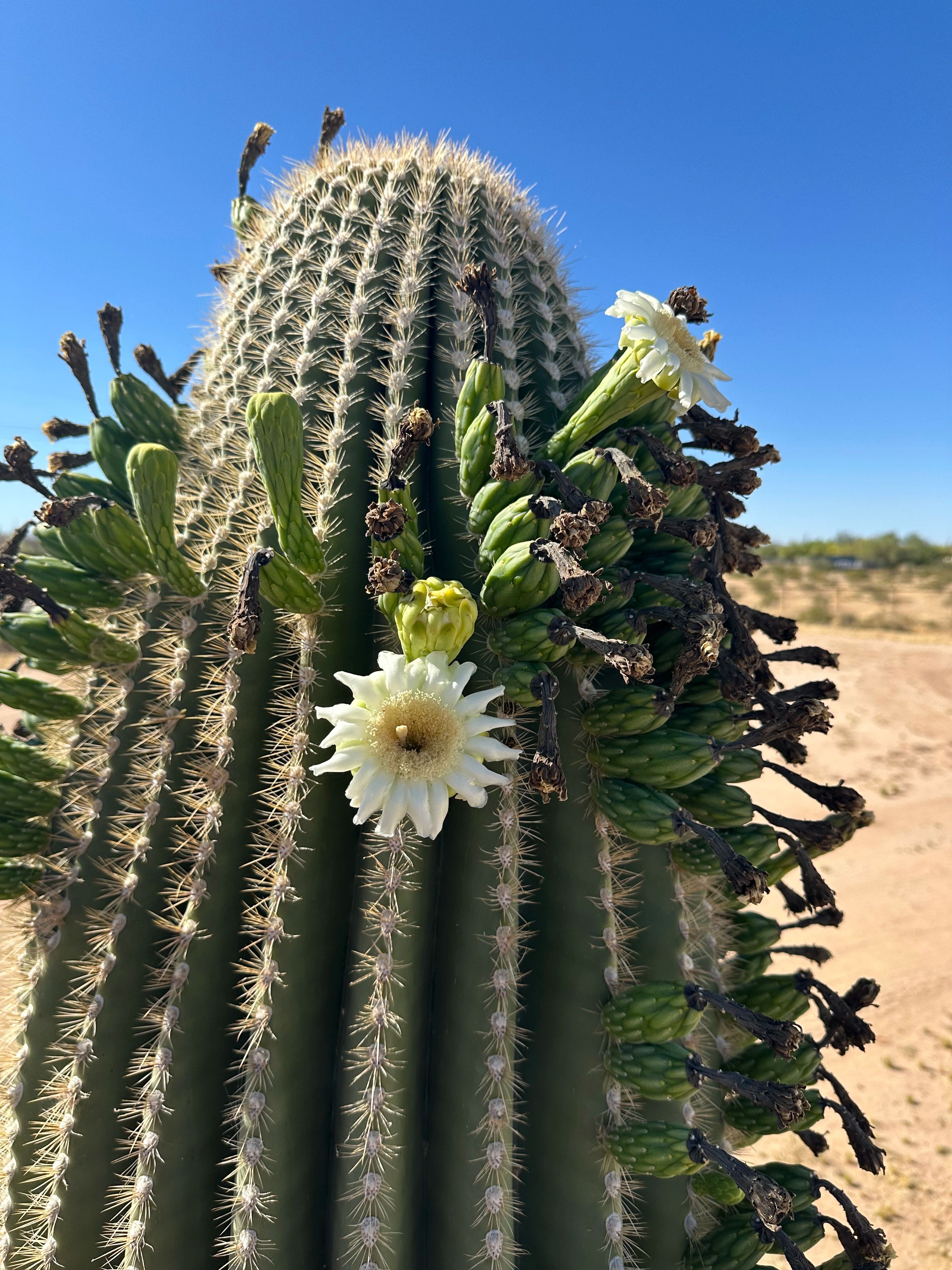
Photo-first
Every entry starts with field photography in natural habitat.
Grounded, not academic
Built from observation and trusted references over time, not lab-grade documentation.
Evolving entries
Pages begin simple and grow as better photos, seasons, and variants are captured.
Built to scale
Plant types branch into species pages as coverage expands.
Note: This guide is educational and observational. It is not a scientific database and should not be treated as medical or foraging advice. When in doubt, consult local experts and reliable references.